
My Philosophy Regarding AI Usage - Part I
This is a topic which I have been wanting to write about for a long time. It’s very hard to decide where exactly I should begin regarding my opinions about AI since it’s changing so rapidly. However, in this article I’ll mainly talk about how I use AI in a way which maximizes certain metrics. My methodologies may not be applicable to everyone, since I work in the research domain, but I still think it’s relevant.
I will split this article into two parts.
- Part I - Problems with how we use AI
- Part II - How AI can be used in a way which preserves our cognitive ability?
Part I - Problems with how we use AI

|
|---|
| We use AI like our personal genie |
We have been fed the idea that you can use AI to solve any problem; just enter the prompt and the solution will be generated for you. Your only contribution in this whole process is your input and your approval of the output. This process fast and AI companies are trying to make this process as seamless as possible.
If your only metric while using AI is to see how fast you can complete a certain objective, this approach is fine. However, like everything else in life, you should look at this with a bit of nuance. The above approach assumes that
- You have complete information about the environment while making a prompt
- You write such a prompt which is not ambiguous to the AI
- The output is perfect each time
Let us now explore each point
“So, what’s wrong with how people use AI?”
We never have a perfect understanding of the environment; we only have a rough estimation of what goes on around us. This is not even a new idea; this has been going on before AI as well. Humans in general always try to generalize their environment. We simply don’t have the biological ability to record and understand everything that goes on around us.
|
|---|
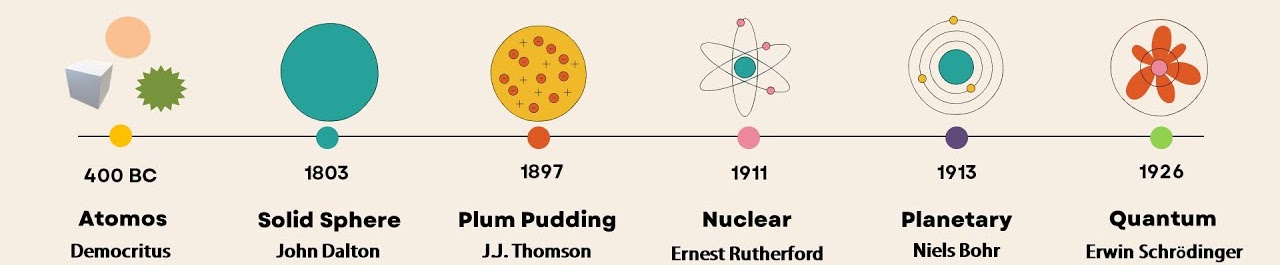
| Evolution of the atomic model |
An example of this phenomenon would be our understanding of the model of the atom; we had different explanations of what an atom looks like throughout history. We had a limited understanding of what matter was made up of. At each point of time, we had a slightly better, slightly less incorrect model, and each model explained more and more of the atom’s behavior. Each time we thought harder and came up with a better explanation. This cyclical thinking happens in all avenues in life.
Second, explaining this estimation of the environment in a written format needs the active participation of our brain. If we don’t use our brain at this point, we can’t explain clearly what is going on.
And finally, once we have the output, we need to do the following
- Comprehend the output
- Check whether our intent was properly conveyed to the AI
- Check whether the AI made any wrong assumptions
This ability of comprehension, just like before, needs us compare the output of the AI with our own understanding. If you don’t actively participate in this process from start to finish, there is a high probability that what we producing using AI is deviating from reality.
“But I don’t see a problem? We have always done it like this since forever”
I think I have established one point, we need to be aware of what we are asking the AI. But I can already hear the criticism to my point; Bad things happen if you don’t use a tool properly. It’s the same with a hammer and same with an AI. However, there is something about AI which is unique compared to any other tool; and that is the negative feedback it provides to the brain.
|
|---|
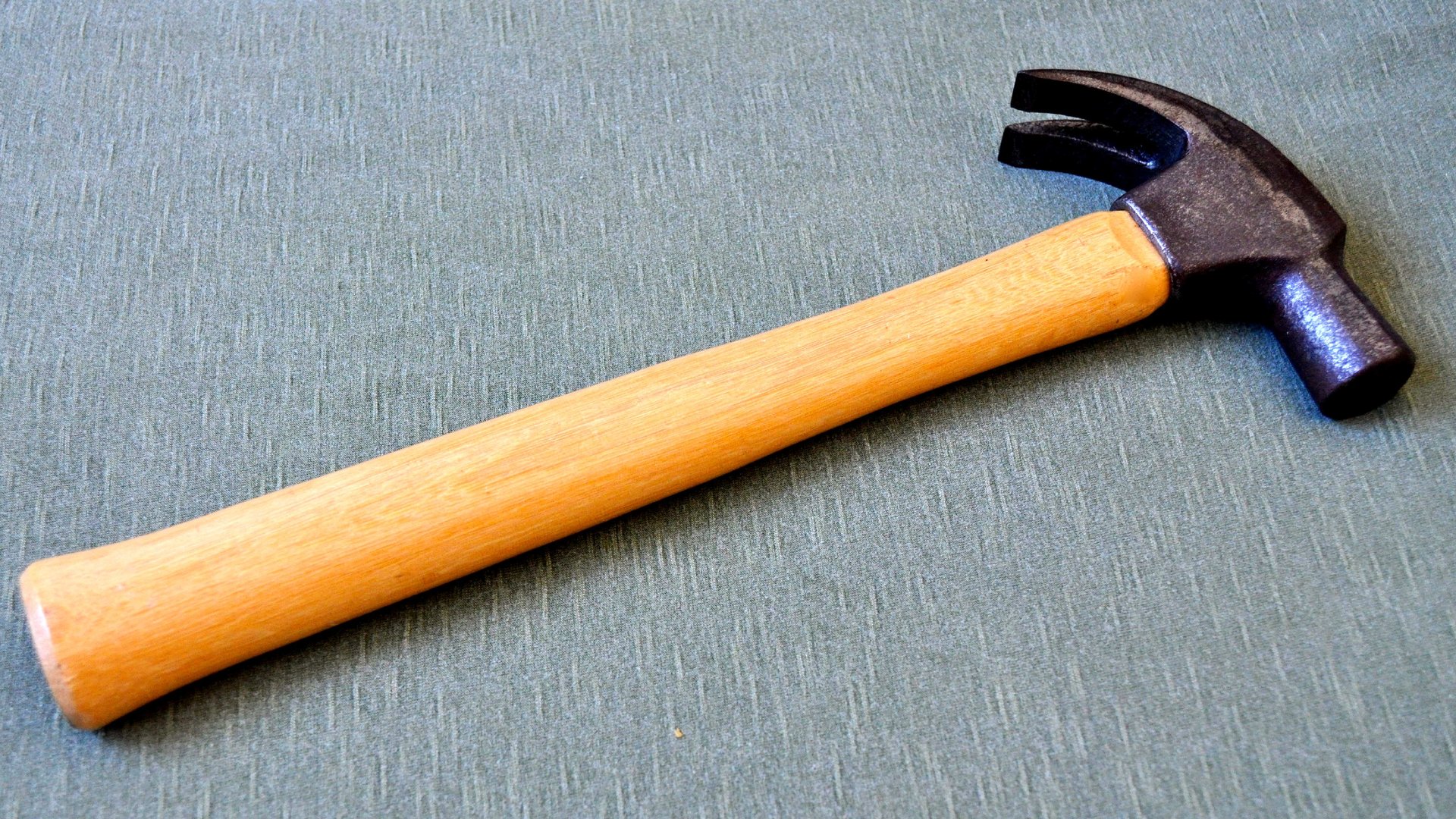
| Hammer - The first productivity multiplier? |
AI is unlike every other tool we have used so far in history. Every time you use a hammer, you rely less on your muscles to get the work done. However, you need to use your judgment on how to use the hammer (in which angle you hit, how hard you hit, etc.). Books/printed media allowed us to offload our brain capacity in a different storage medium. Camera allowed us to make a picture quickly, and digital music allowed us to use an instrument which we may not have to hold in our hands. But each case, you needed still needed your cognitive participation and artistic ability to imprint your thoughts and emotions into the medium.
|
|---|
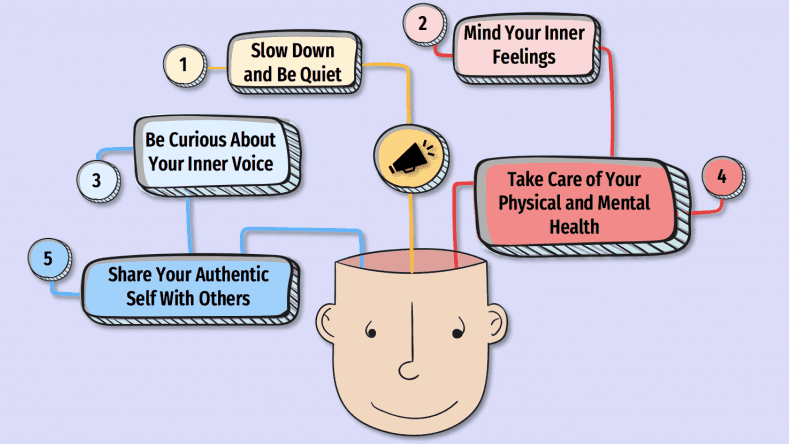
| How to find your inner voice? |
But AI is different because you offload your decisions and choices to a different entity which is not always in our control. It’s unique in its ability to reduce our brain activity every time we use it. This is my personal opinion, but I feel like AI reduces our inner voice. The more we rely on it, the more our brain atrophies, and we lose the realization that this change is happening to us. Can you imagine a using a hammer whose side-effect is that you slowly lose your grip-strength over time? I doubt you would want to use such a hammer.
I’m afraid if we keep on relying on AI more and more, we lose what makes us uniquely human; our thoughts, aspirations and dreams.
This is why we need to use AI in a manner which is not harmful to us. The next part discusses this in detail.